
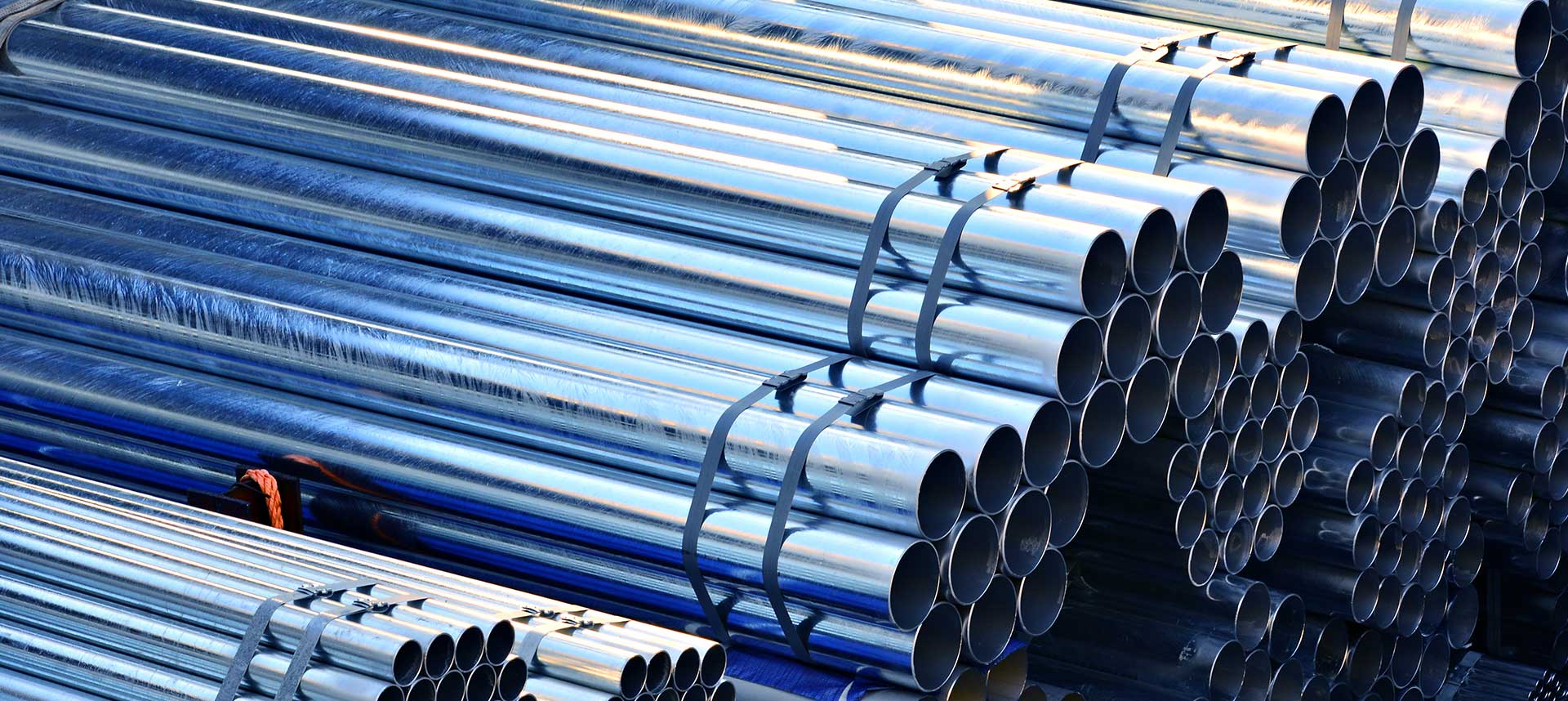
Steel pipe makers stake their reputation on every length that leaves the yard, so rigorous quality checks separate reliable suppliers from the rest. Inspectors test raw material, monitor wall thickness, and pressure-test finished pipes before dispatch. Buyers who know these checkpoints ask sharper questions and avoid costly surprises when steel pipe manufacturers in Dubai ship their orders.
Raw material inspection comes first
Quality checks start before any steel bends or welds, because the mill certificate tells inspectors the chemistry and grade of each incoming coil while visual exams catch rust, splits, and surface defects that ruin a finished pipe. Spectrometers confirm alloy content, and hardness tests flag material that behaves outside spec.
Dimension and wall thickness checks
Lasers and ultrasonic gauges measure outer diameter, ovality, and wall thickness along the full pipe length, and inspectors compare readings against tolerance tables to catch drift early. A pipe that runs thin on one side fails pressure service, so mills chart thickness readings and quarantine any length that strays outside the agreed range.
Weld integrity testing
Eddy current and ultrasonic testing scan every weld seam for cracks, lack of fusion, and porosity, and hydrostatic testing pushes water through each pipe at pressures above the rated limit to expose leaks. Destructive samples from each batch go to the lab for bend, flatten, and tensile tests that prove the weld holds.
Surface finish and coating checks
Inspectors examine pickled and coated pipe for scale, pits, and coating gaps, and they measure zinc or paint thickness at set points along the length. Salt spray tests on sample coupons show how the coating holds up, and any pipe with bare spots or uneven coverage goes back for rework.
Documentation and final release
Every check feeds a traceability file that links heat numbers, test results, and inspection stamps to each shipment, and a final review clears the pipe for loading only when every record matches the order. Buyers who request these files get proof of quality instead of promises.
Closing notes
Solid quality checks protect both the mill and the buyer, and a supplier who documents every test earns repeat business. Ask for inspection records, walk the testing floor, and hold suppliers to the standard they print on the certificate.